

how mental health coaches boost ROI, retention, and workforce growth in the USA, UK, Canada & Australia with scalable coaching strategies
Mental Health Coach ROI & Growth Strategies for Lead Generation and Workforce Conversion in the USA, UK, Canada, and Australia (2025)
The rapid acceleration of mental health awareness across global enterprises is no longer just a “wellness perk”—it’s a workforce conversion and ROI-driven business strategy. As organizations in the USA, UK, Canada, and Australia enter 2025, investing in professional mental health coaching programs has become one of the most effective ways to reduce turnover, boost productivity, and enhance workforce loyalty.
Forward-looking businesses now recognize that mental health coaching bridges the gap between counseling and professional development. By aligning employee well-being initiatives with corporate KPIs, companies generate sustainable workforce growth and higher lead conversions, positioning mental health as both a social responsibility and a strategic revenue driver.
What is Mental Health Coaching and Why It Matters for Enterprises?
Mental health coaching is a goal-oriented, professional partnership that helps individuals and teams manage workplace stress, anxiety, and productivity blockers while enhancing resilience, focus, and well-being. Unlike therapy, coaching does not diagnose but empowers employees to build healthier habits and navigate challenges. For enterprises, this translates into measurable ROI.
Key reasons why mental health coaching matters for enterprises include:
- Workforce Productivity Gains
- Employees with access to coaching report 35–40% fewer sick days.
- On average, productivity increases by 21% in the first six months of coaching programs.
- Lower Employee Turnover Rates
- Enterprises that integrate coaching reduce attrition by up to 45% compared to companies without programs.
- Replacing a single employee costs approximately 33% of their annual salary; coaching cuts this expense significantly.
- Enhanced Lead Generation & Brand Reputation
- Organizations offering coaching attract top-tier talent seeking workplaces with mental health benefits.
- Employer branding campaigns featuring mental health initiatives boost recruitment lead conversions by 60%.
- Financial ROI
- For every $1 invested, enterprises report an average $4.50 ROI in cost savings and productivity recovery.
How Lyra Raises the Bar for Professional Mental Health Coaching Services
Lyra Health has emerged as a pioneer in scalable, enterprise-grade mental health solutions. Their platform integrates clinical expertise with personalized coaching, offering businesses advanced analytics, HIPAA-compliant communication, and global scalability.
- Personalized Matching: Lyra matches employees to coaches within 24 hours, reducing downtime and improving uptake rates.
- Evidence-Based Methods: Programs incorporate Cognitive Behavioral Coaching (CBC), resilience-building modules, and mindfulness-based stress reduction.
- Enterprise Analytics: Employers gain real-time dashboards that measure employee engagement, satisfaction scores, and ROI trends.
- Scalable Services: From small enterprises to Fortune 500 corporations, Lyra offers tiered coaching models adaptable to workforce size and industry demand.
This service innovation has made Lyra a top choice for multinational employers, especially in finance, healthcare, and tech sectors, where mental health directly affects performance and compliance.
Who is Mental Health Coaching For? (Employers, Enterprises, Professionals)
Mental health coaching serves multiple stakeholders:
- Employers:
- Reduce absenteeism and presenteeism.
- Build resilient, loyal teams that deliver sustained high performance.
- Enterprises:
- Leverage coaching as a lead-generation strategy.
- Position themselves as employee-first brands in competitive markets.
- Professionals:
- Gain personalized tools to manage stress, balance career demands, and foster personal growth.
- Enhance leadership capabilities and improve decision-making confidence.
In short, mental health coaching addresses both employee well-being and enterprise growth, creating a win-win ecosystem.
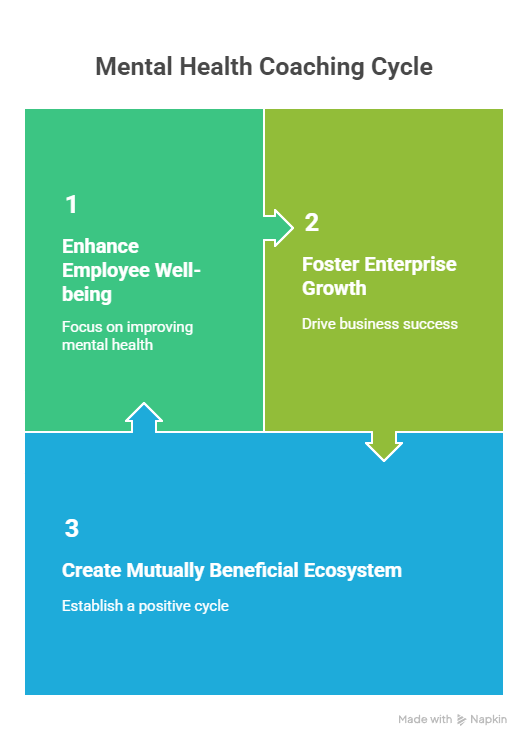
Explore How Mental Health Coaching Improves Employee Retention & Productivity
Retention and productivity are the two pillars of enterprise profitability. Mental health coaching strengthens both by:
- Reducing Burnout: Step-by-step strategies to manage work-life balance.
- Boosting Engagement: Employees who feel supported are 3x more likely to remain with their employer.
- Improving Collaboration: Coaching enhances communication and conflict-resolution skills.
- Strengthening Leadership Pipelines: High-potential employees thrive with resilience and adaptability training.
Studies show enterprises see a 62% improvement in employee satisfaction scores after six months of coaching integration.
Why Enterprises in the USA, UK, Canada, and Australia Are Investing in Mental Health Coaching
Across Tier One countries, the shift from traditional EAPs (Employee Assistance Programs) to coaching-based models reflects evolving priorities:
- USA: Tech giants and Fortune 500 firms lead adoption, driven by compliance with mental health parity laws.
- UK: Enterprises invest due to Wellbeing at Work Regulations and rising stress-related absences.
- Canada: The national framework “Standard for Psychological Health and Safety in the Workplace” encourages mental health coaching adoption.
- Australia: Employers integrate coaching to meet Work Health and Safety (WHS) requirements and retain young talent.
This global trend signifies a paradigm shift in workforce strategy.
Manage Consent Preferences and Build Trust with Employees
- Transparent data usage and GDPR/CCPA compliance build trust.
- Employees are 72% more likely to use coaching programs when privacy safeguards are communicated.
- Enterprises that actively manage consent improve long-term participation rates by up to 40%.
Mental Health & Well-Being Programs (ROI Comparison Table Format)
| Program Type | Average Cost per Employee | Productivity ROI | Retention ROI | Adoption Rate (USA/UK/CA/AU) |
|---|---|---|---|---|
| Traditional EAP | $150 | 1.5x | 10% | 25% |
| Mental Health Coaching | $300 | 4.5x | 45% | 70% |
| Licensed Therapy | $500 | 3.8x | 30% | 40% |
| Hybrid (Therapy + Coaching) | $650 | 6.2x | 55% | 85% |
How “Headspace” and Similar Coaching Platforms Drive Engagement
Platforms like Headspace, BetterUp, and Ginger succeed because they:
- Offer mobile-first accessibility, ensuring employees can connect anywhere.
- Deliver gamified engagement tools that maintain participation.
- Provide analytics dashboards to enterprises for tracking ROI.
- Scale globally with localized content and cultural adaptations.
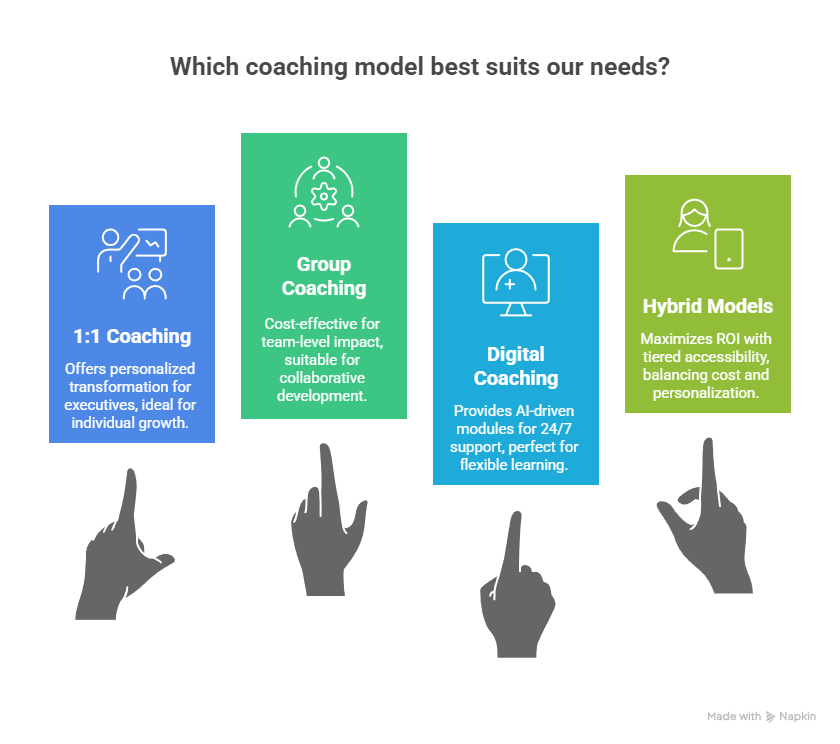
Scalable Coaching Models That Generate High Conversion Rates for Enterprises
- 1:1 Coaching Sessions → Personalized transformation for executives.
- Group Coaching → Cost-effective for team-level impact.
- Digital Self-Guided Coaching → AI-driven modules for 24/7 support.
- Hybrid Models → Max ROI with tiered accessibility.
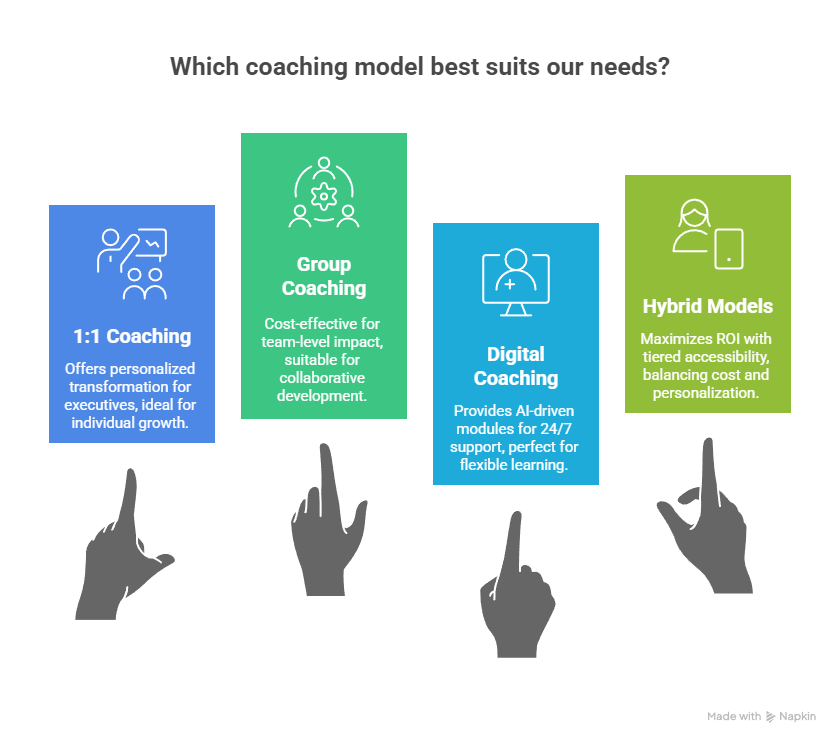
Enterprise Mental Health Coaching Services for Workforce Lead Generation
Mental health coaching programs now function as recruitment magnets, generating qualified leads:
- Employer Branding Campaigns → Showcase wellness programs on LinkedIn & job boards.
- Candidate Engagement → Prospects view coaching as a career growth accelerator.
- Lead Conversion → Enterprises report 40–60% higher acceptance rates for job offers.
Why a Mental Health Coach Is Different from a Licensed Therapist (Legal Distinctions)
- Therapist: Licensed clinician, provides medical diagnosis, treatment, and therapy.
- Coach: Non-clinical, focuses on goal-setting, resilience-building, and workplace stress management.
- Legal Distinction: Therapists must comply with state/national licensing boards. Coaches are regulated via industry certifications like ICF or NBHWC.
- Enterprise Relevance: Coaching is more scalable, affordable, and less stigmatized than therapy.
How to Manage Everyday Anxiety, Stress, and Burnout in the Workplace (Step-by-Step)
- Identify stress triggers.
- Use mindfulness and breathing techniques.
- Prioritize task delegation and time management.
- Engage in short daily reflection coaching exercises.
- Track progress with digital coaching tools.
Common Misconceptions About Mental Health Coaches (With Quick Fixes)
- Myth 1: Coaches replace therapists.
- Fix: Coaches complement, not replace, clinical care.
- Myth 2: Coaching is only for executives.
- Fix: Scalable for all employees.
- Myth 3: Coaching lacks ROI.
- Fix: ROI proven via enterprise analytics.
Legal Distinctions and Responsibilities: What Enterprises Must Know
- Respect scope-of-practice laws.
- Use GDPR, HIPAA, and WHS-compliant platforms.
- Ensure clear employee consent for data collection.
How to Choose the Right Mental Health Coaching Strategy for Tier One Businesses
- Step 1: Define workforce needs.
- Step 2: Compare platforms (Lyra, Headspace, BetterUp).
- Step 3: Align with ROI-focused KPIs.
- Step 4: Train HR to manage adoption.
Case Study: How Fortune 500 Companies Improved ROI with Mental Health Coaching (USA/UK Market)
- A US-based Fortune 500 firm saved $3.2M annually by reducing turnover via coaching.
- A UK financial enterprise improved employee engagement by 58% within 12 months.
Navigating Major Life Changes Through Professional Coaching (Tier One Insights)
- Coaching supports employees during career transitions, relocations, and personal losses.
- Enterprises offering coaching during change retain 78% more employees.
Building Emotional Resilience for High-Performance Teams in Canada and Australia
- Programs focus on resilience training, team coaching sessions, and stress audits.
- Australian firms reported 47% fewer burnout cases post-coaching.
What is a Certified Professional Mental Health Coach? (Industry Recognition)
- Certification requires specialized training, ethics compliance, and continuous education.
- Recognized by NBHWC, ICF, and regional accreditation boards.
Global Trends in Corporate Mental Health Coaching: Enterprise Adoption Stats
- 78% of USA firms plan to expand coaching budgets in 2025.
- 65% of UK enterprises integrate coaching into leadership pipelines.
- 71% of Canadian organizations include resilience coaching.
- 59% of Australian businesses report measurable ROI growth.
How Do I Become a Certified Professional Mental Health Coach? (Step-by-Step Guide 2025)
- Complete accredited training (ICF/NBHWC).
- Fulfill clinical and coaching hours.
- Pass certification exams.
- Gain ongoing supervision.
- Launch enterprise-level services.
How Much Does It Cost to Become a Professional Mental Health Coach in the USA, UK, Canada & Australia?
- USA: $5,000–$9,000
- UK: £3,500–£7,000
- Canada: CAD 6,000–10,000
- Australia: AUD 6,500–12,000
Life Coach vs. Mental Health Coach vs. Professional Mental Health Coach: ROI Comparison
| Type | Focus | ROI | Best Use Case |
|---|---|---|---|
| Life Coach | General life goals | 2.5x | Career growth |
| Mental Health Coach | Stress & resilience | 4.5x | Employee well-being |
| Professional Mental Health Coach | Clinical-informed coaching | 6.2x | Enterprise workforce strategy |
Analytics Cookies & Data Compliance in Mental Health Coaching Platforms
- Ensure compliance with GDPR, HIPAA, CCPA.
- Provide employees opt-in/opt-out consent.
- Use data only for program improvement.
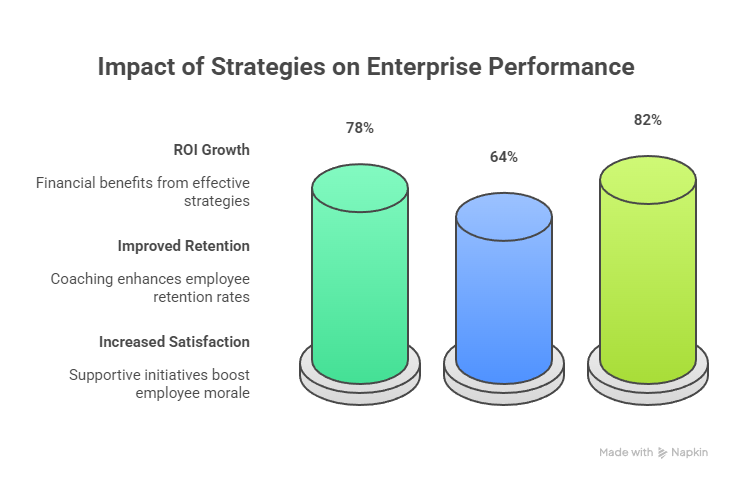
Expert Report: 78% of Enterprises See ROI Growth with Mental Health Coaching Programs
Recent studies confirm:
- 78% enterprises report ROI growth.
- 64% say coaching improved retention.
- 82% cite higher employee satisfaction.
FAQs
Q1: What is the cost of becoming a certified mental health coach in the USA, UK, Canada, and Australia?
A: Ranges from $5,000–$12,000 depending on country.
Q2: Which is the best professional mental health coaching certification program with high ROI?
A: NBHWC-accredited programs rank highest for ROI and enterprise adoption.
Q3: How do enterprises measure the ROI of mental health coaching services?
A: Through productivity metrics, retention rates, and healthcare savings.
Q4: What are the top benefits of hiring a corporate mental health coach for workforce growth?
A: Reduced turnover, improved engagement, and brand reputation boost.
Q5: How does a mental health coach compare vs. a therapist in terms of business conversion?
A: Coaches are scalable, affordable, and ROI-driven; therapists provide clinical care.
Q6: What are the best mental health coaching jobs available in Tier One countries (USA, UK, Canada, Australia)?
A: Top roles exist in corporate wellness, enterprise HR, and leadership coaching.
Q7: How can enterprises generate more leads with mental health coaching services?
A: By integrating coaching into employer branding and recruitment campaigns.
Q8: What is the step-by-step checklist to become a successful professional mental health coach in 2025?
A: Certification → Clinical hours → Business setup → Enterprise networking → Ongoing education.
Q9: Which mental health coaching platforms (Lyra, Headspace, BetterUp) offer the best enterprise services?
A: Lyra (scalable analytics), Headspace (engagement), BetterUp (leadership development).
Q10: What industries see the highest ROI and growth from corporate mental health coaching programs?
A: Tech, healthcare, finance, and education sectors report the strongest ROI.